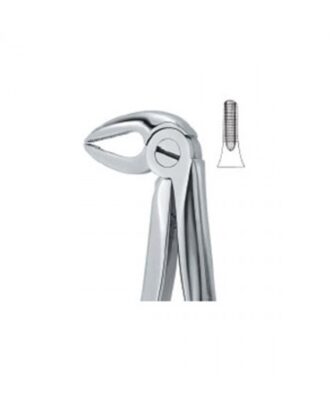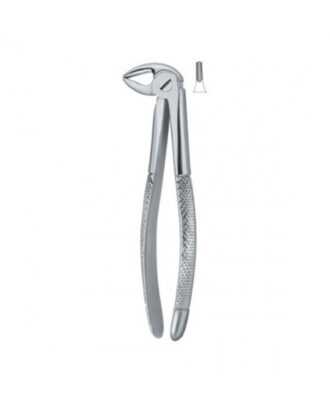
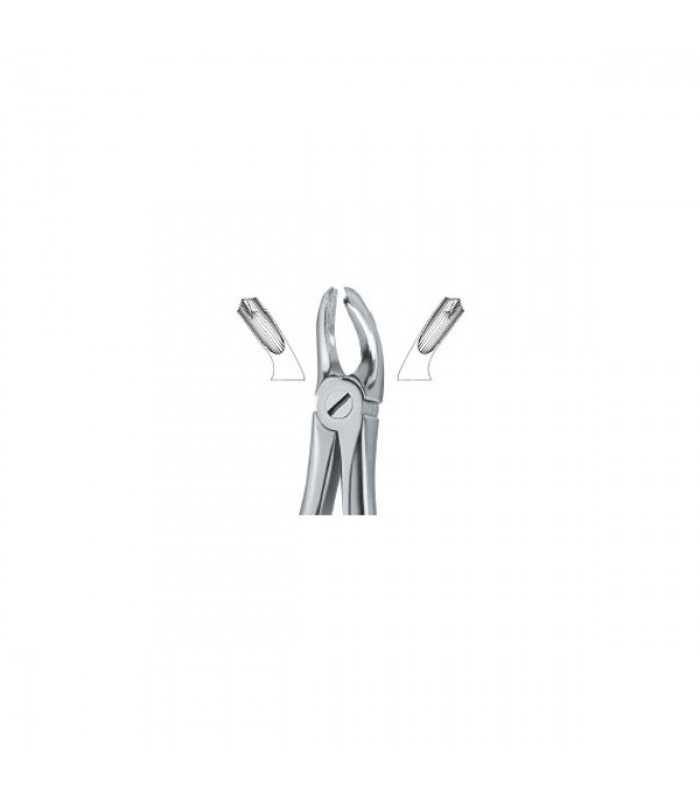
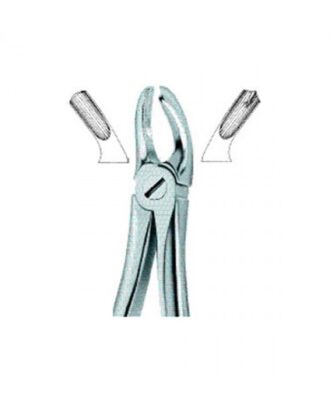
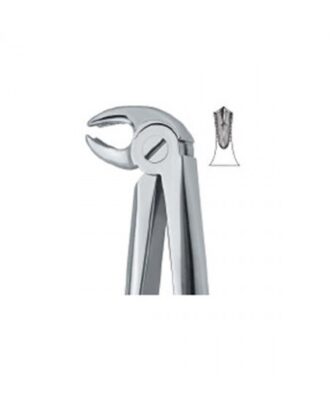
dental extracting forceps
Dental extracting forceps are essential instruments used in dentistry for the safe and effective removal of teeth. These tools are specifically designed to grasp, hold, and extract teeth from their sockets with precision and minimal trauma to the surrounding tissues. They play a crucial role in various dental procedures, including the removal of decayed, damaged, impacted, or overcrowded teeth.
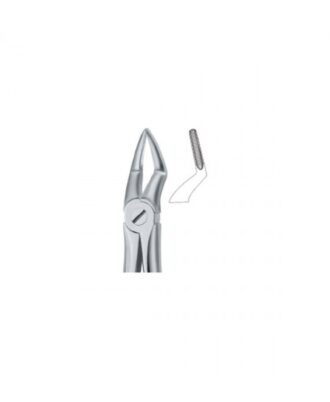
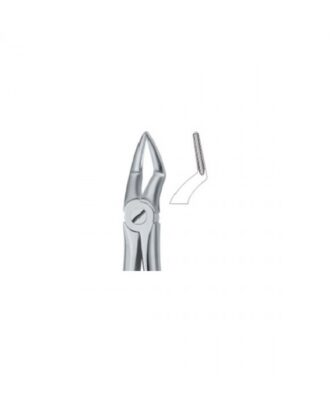
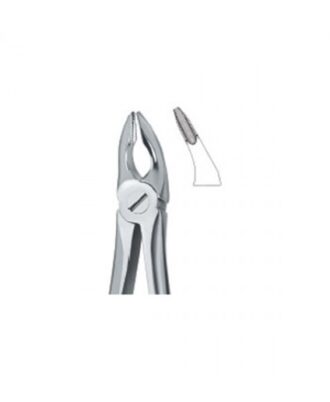
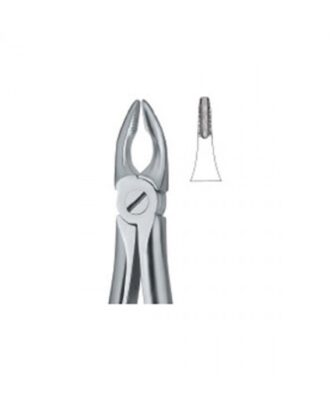
The design of dental extracting forceps consists of three main parts: the beaks, the hinge, and the handles. The beaks are shaped to fit securely around the tooth, typically at the cervical area near the gum line. Their shape varies depending on the type of tooth being extracted, allowing for a firm grip without causing unnecessary damage. The hinge connects the beaks to the handles and allows smooth opening and closing movements, while the handles are ergonomically designed to provide comfort and optimal control for the dentist.
Different types of extracting forceps are available for specific teeth and positions in the mouth, such as anterior, premolar, and molar forceps. There are also variations for upper (maxillary) and lower (mandibular) teeth, each adapted to the anatomy and accessibility of the jaw. This specialization ensures that extractions are performed efficiently and with greater accuracy.
During a tooth extraction, the dentist uses the forceps to apply controlled pressure and perform gentle movements, such as rocking or rotating the tooth. These actions help loosen the tooth from the periodontal ligament and surrounding bone before it is carefully removed. The goal is to minimize discomfort and reduce trauma, promoting faster healing for the patient.
Dental extracting forceps are typically made from high-quality stainless steel, making them durable, corrosion-resistant, and easy to sterilize. Proper sterilization is essential to maintain hygiene standards and prevent infection.
Overall, dental extracting forceps are indispensable tools in modern dentistry. Their precise design and functionality allow dentists to perform extractions safely and effectively, ensuring better patient outcomes and supporting overall oral health care.
Related products