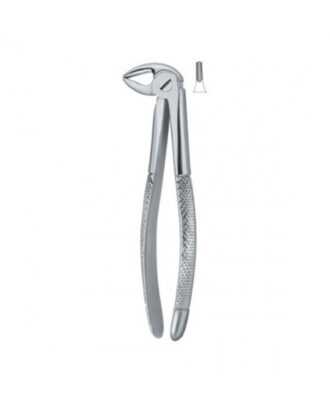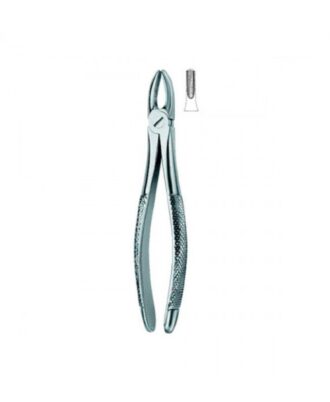
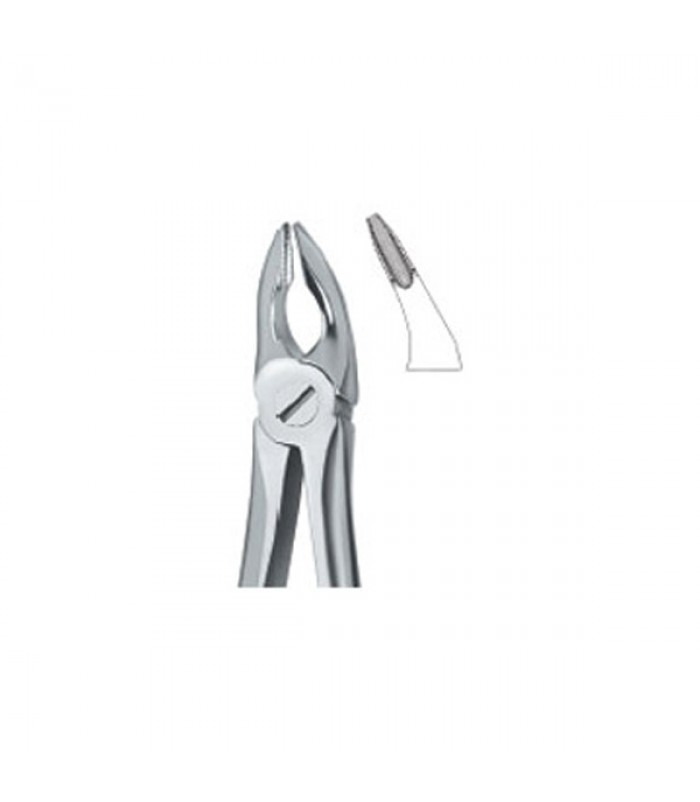
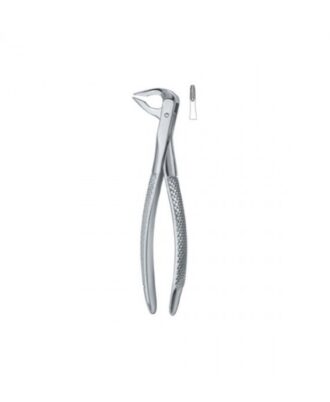
Incisors and Bicuspids 35N
ing in pronunciation and giving shape to the smile.
Bicuspids, also known as premolars, are located behind the canines and in front of the molars. Adults typically have eight bicuspids, two on each side of both the upper and lower jaws. These teeth have a broader surface with two pointed cusps, which makes them ideal for crushing and grinding food. Bicuspids act as a transition between the sharp cutting function of incisors and the heavy grinding role of molars.
Structurally, both incisors and bicuspids are made up of enamel, dentin, and pulp. Enamel is the hard outer layer that protects the tooth, dentin lies beneath it and provides support, and the pulp contains nerves and blood vessels that keep the tooth alive. Despite these similarities, their shapes and sizes differ according to their functions. Incisors are thinner and sharper, while bicuspids are wider and stronger.
Proper care of both incisors and bicuspids is essential for maintaining good oral health. Regular brushing, flossing, and dental check-ups help prevent cavities and gum disease. Since these teeth are actively involved in chewing, they are exposed to wear and tear, making hygiene even more important.
In conclusion, incisors and bicuspids work together to break down food efficiently. Their unique shapes and positions allow them to perform different tasks, contributing to effective digestion, clear speech, and an attractive smile.
Related products