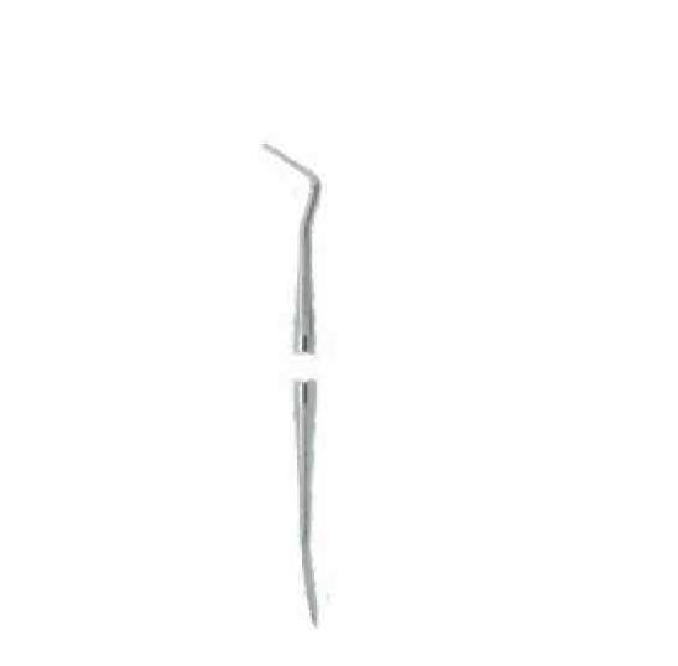
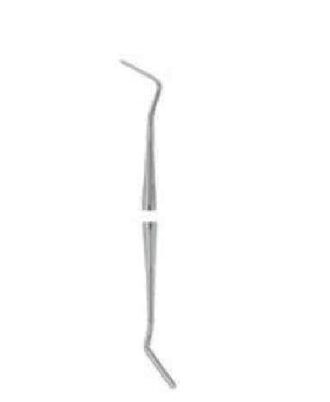
Amalgam Instruments Ward Fig 1
Related products
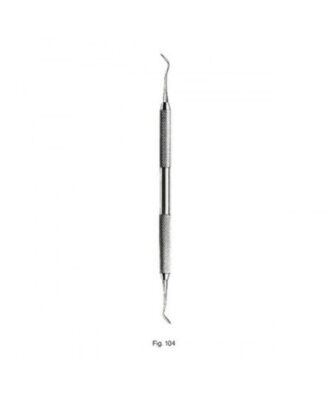
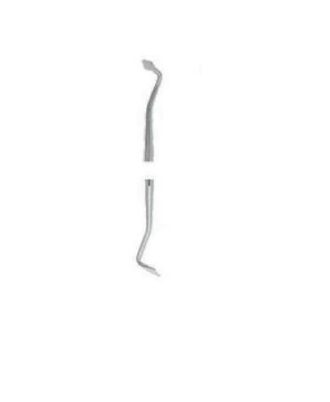
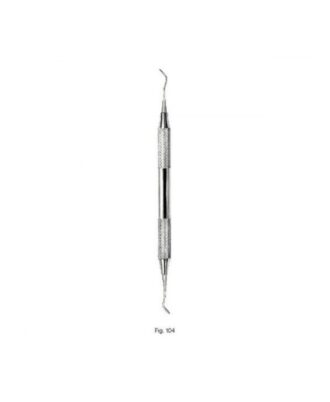
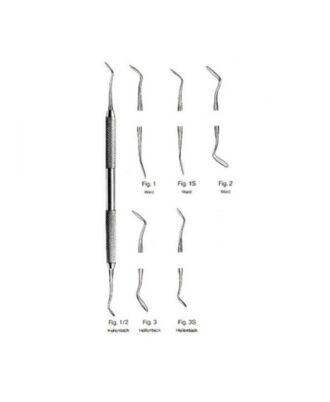
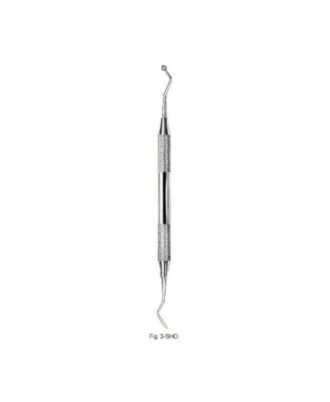

Amalgam Instruments Ward Fig 1 is a specialized hand instrument used in restorative dentistry for the carving, shaping, and finishing of dental amalgam restorations. It is designed to help dentists accurately recreate the natural anatomy of teeth after the placement of amalgam filling material, ensuring proper function, aesthetics, and long-term durability of the restoration.
This instrument is commonly used during the finishing stage of an amalgam restoration, once the material has been condensed into the cavity and has reached a suitable working consistency. The Ward Fig 1 design typically features a finely shaped working end that allows for precise carving of occlusal anatomy, including grooves, fissures, and marginal ridges. This helps in replicating the natural form of the tooth and achieving a well-balanced bite.
The 15 cm standard length (commonly associated with Ward-type instruments) provides excellent control and maneuverability, allowing the dentist to work comfortably within the limited space of the oral cavity. Its ergonomic design ensures stability during delicate carving procedures, reducing hand fatigue and improving precision.
Manufactured from high-quality stainless steel, Amalgam Instruments Ward Fig 1 is durable, corrosion-resistant, and capable of withstanding repeated sterilization cycles. This ensures long-term clinical reliability and consistent performance. The finely crafted tips maintain sharpness and effectiveness, allowing smooth and controlled manipulation of amalgam material.
In clinical practice, proper use of this instrument is essential for achieving a successful restoration. Accurate carving ensures correct occlusal contacts with opposing teeth, which is critical for normal chewing function. It also helps prevent common problems such as high spots, improper bite alignment, and rough surfaces that can lead to patient discomfort or premature restoration failure.
Additionally, well-contoured amalgam surfaces reduce plaque accumulation and improve oral hygiene by creating smoother, more natural tooth anatomy. This contributes to the longevity of both the restoration and surrounding tooth structures.
Overall, Amalgam Instruments Ward Fig 1 is an important tool in restorative dentistry. Its precision, durability, and ergonomic design make it essential for producing anatomically accurate, functional, and long-lasting amalgam restorations.