Related products
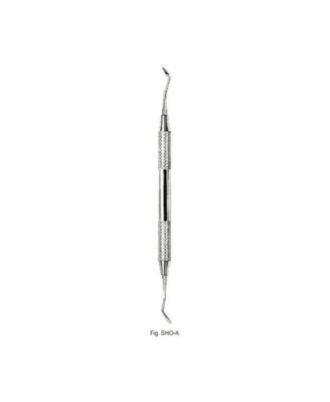
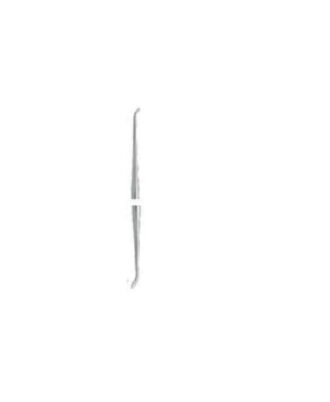
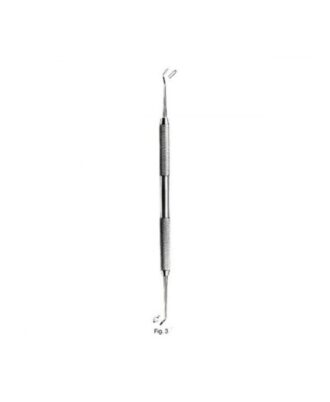
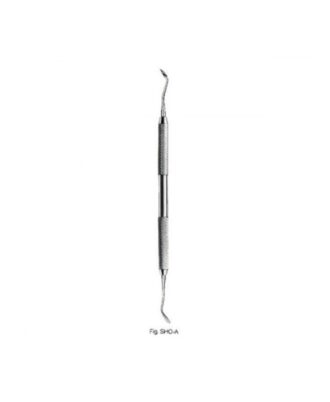
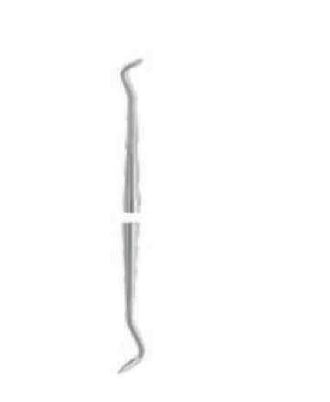
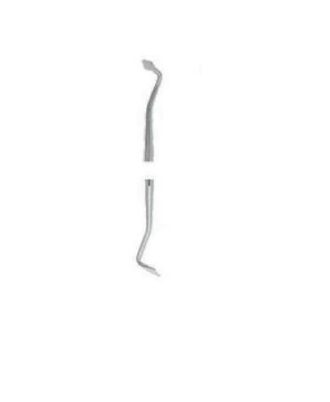

Amalgam instruments such as the cleoid and discoid are essential hand tools used in restorative dentistry, specifically for the carving, contouring, and finishing of dental amalgam fillings. These instruments are designed to help dentists recreate the natural anatomy of teeth after a cavity has been restored with amalgam material.
The cleoid portion of the instrument features a pointed, sharp blade that is primarily used for carving fine anatomical details such as grooves, fissures, and developmental lines on the surface of the set amalgam. This allows the restoration to closely resemble the natural occlusal (biting) surface of a tooth. The discoid portion, on the other hand, has a rounded, spoon-like end that is used for smoothing and shaping broader surfaces of the amalgam restoration. It helps in removing excess material and refining contours to ensure proper occlusion and comfort for the patient.
Typically, cleoid-discoid instruments are double-ended, with one end serving each function. They are made from stainless steel to ensure durability, resistance to corrosion, and ease of sterilization. The design is carefully balanced to provide precision control, allowing the dentist to apply minimal pressure while achieving detailed shaping results.
These instruments are particularly important because the quality of carving directly affects the longevity and success of the restoration. Properly contoured amalgam reduces the risk of plaque accumulation, improves bite alignment, and enhances overall oral hygiene. If the restoration is left rough or improperly shaped, it may lead to discomfort, food impaction, or premature failure of the filling.
In clinical practice, cleoid and discoid instruments are used after the initial placement and condensation of amalgam, during the carving stage when the material has reached a workable set. Dentists must work within a limited time window before the material fully hardens, making skillful use of these instruments crucial.
Overall, the cleoid and discoid amalgam instruments play a vital role in achieving functional, durable, and anatomically accurate dental restorations.