
Showing 25–36 of 472 results
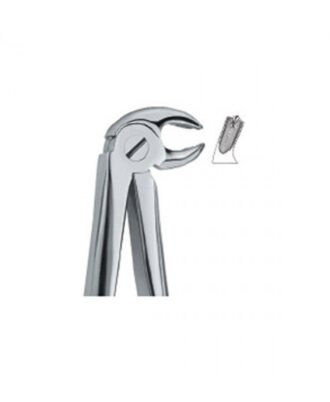
anterior forceps
12-100-19
Anterior forceps are essential dental instruments specifically designed for the extraction of front teeth, including incisors and canines. These teeth are located at the front of the mouth and typically have single, relatively straight roots, which require a precise and controlled approach during extraction. Anterior forceps are uniquely shaped to
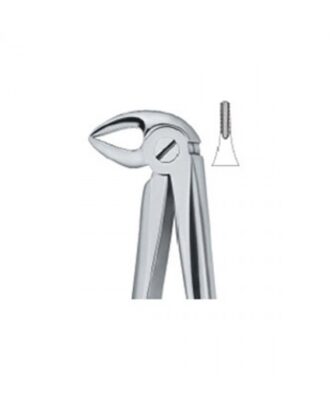
Lower Roots extracting forceps
12-100-28
Lower roots extracting forceps are specialized dental instruments designed for the precise removal of tooth roots in the lower jaw, or mandible. Unlike standard extraction forceps, which are used to remove entire teeth, these forceps are specifically shaped to grasp and extract roots that remain after a tooth has fractured,
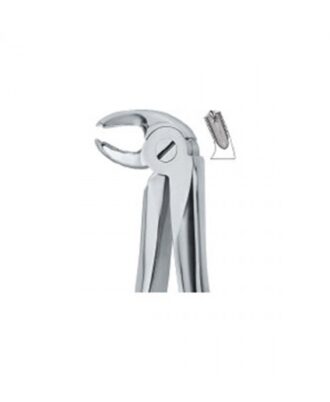
anterior extraction forceps
12-100-108
Anterior extraction forceps are specialized dental instruments used for the removal of front teeth, including incisors and canines. These teeth have relatively straight, single roots, so the design of anterior forceps is tailored to provide precision, control, and minimal trauma during extraction procedures. Dentists rely on these instruments to safely
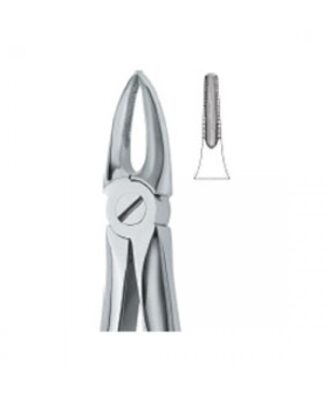
dental examinations instruments
12-100-110
Dental examination instruments are fundamental tools used by dentists to evaluate a patient’s oral health and detect potential dental problems at an early stage. These instruments are carefully designed to allow precise inspection of teeth, gums, and other oral tissues, ensuring accurate diagnosis and effective treatment planning.
One of the most
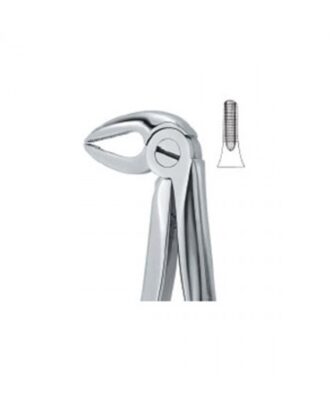
Lower Roots extracting forceps
12-100-29
Lower roots extracting forceps are specialized dental instruments designed specifically for the removal of tooth roots from the lower jaw, or mandible. Unlike regular extraction forceps used for whole teeth, these forceps are tailored to grip and extract roots that remain after a crown or tooth has fractured, decayed, or
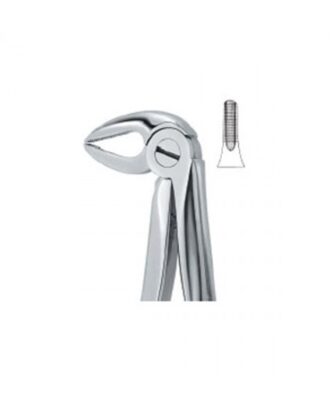
Lower roots
12-100-31
Lower roots refer to the root portions of teeth located in the lower jaw, also known as the mandible. These roots are an essential part of dental anatomy, as they anchor the teeth securely into the jawbone and provide the stability needed for effective biting and chewing. Each tooth is
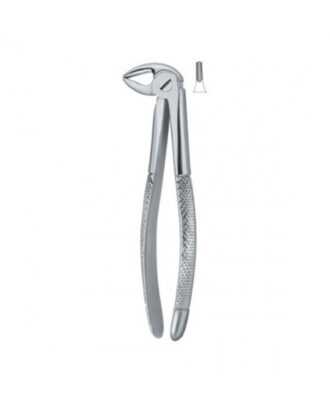
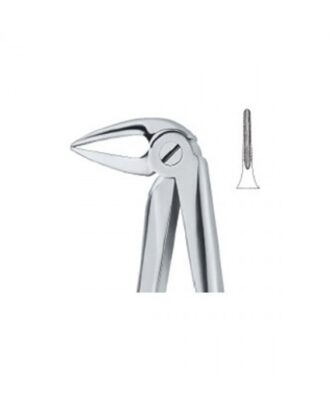
Lower Roots 06
12-100-71
Lower roots refer to the root structures of teeth located in the lower jaw, also known as the mandible. These roots play a crucial role in anchoring the teeth firmly into the jawbone, allowing them to withstand the forces of biting and chewing. In dental anatomy, each tooth consists of
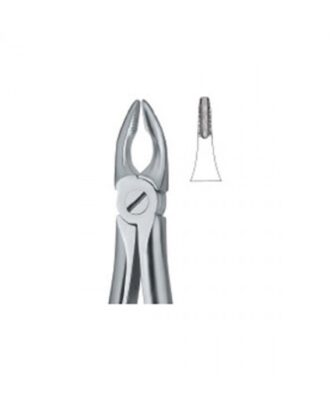
Incisors and Bicuspids 34N
12-101-11
Incisors and bicuspids are essential types of teeth in the human dentition, each designed to perform specific functions in the process of eating and digestion. Incisors are located at the front of the mouth, with four in the upper jaw and four in the lower jaw, making a total of
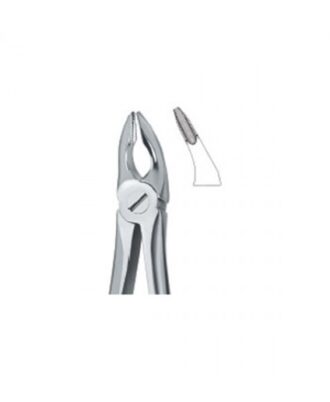
Incisors and Bicuspids 35N
12-100-111
ing in pronunciation and giving shape to the smile.
Bicuspids, also known as premolars, are located behind the canines and in front of the molars. Adults typically have eight bicuspids, two on each side of both the upper and lower jaws. These teeth have a broader surface with two pointed cusps,
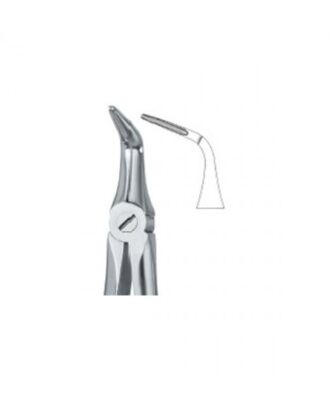
Extracting Forceps lower roots
12-100-40
Extracting forceps for lower roots are specialized dental instruments designed to facilitate the precise and safe removal of lower teeth and their roots. These forceps are essential tools in oral surgery and general dentistry, particularly when dealing with challenging extractions that require careful handling to avoid damage to surrounding tissues.
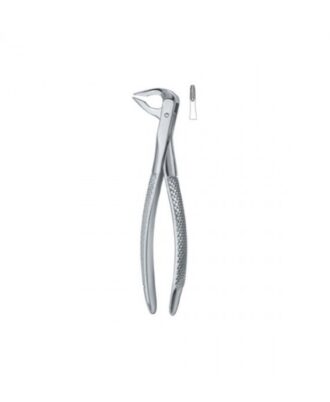
dental extraction forceps
12-100-69
Dental extraction forceps are essential instruments in dentistry, designed to facilitate the safe and efficient removal of teeth. They are widely used in general dentistry, oral surgery, and emergency dental care, providing precision and control during tooth extraction procedures. Crafted from high-quality stainless steel, these forceps are durable, corrosion-resistant, and