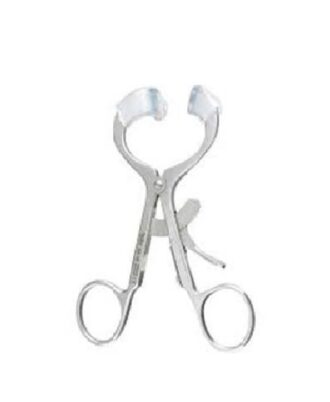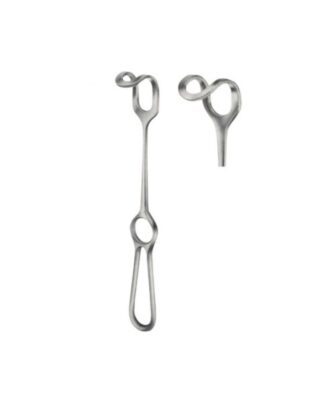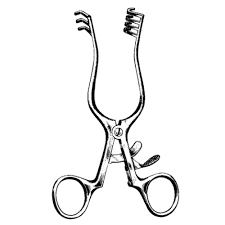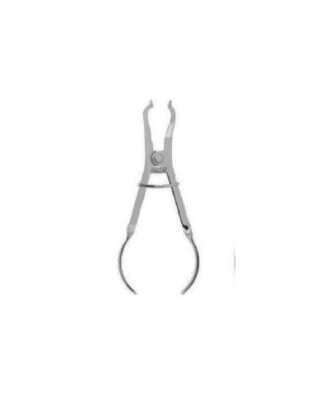
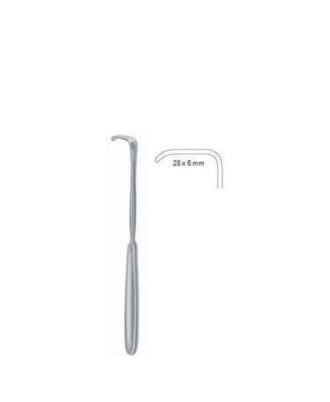
Retractor
₨ 14
Retractor
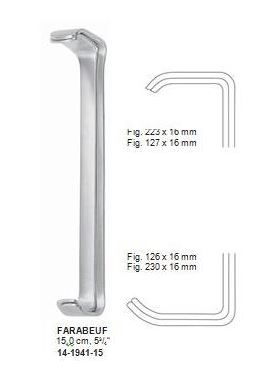
Retractors are fundamental surgical and dental instruments designed to hold back tissues, organs, or skin flaps, giving clinicians an unobstructed view and clear access to the underlying surgical site. Rather than acting as passive tools, retractors are highly engineered instruments essential for patient safety, ensuring that delicate surrounding structures—such as nerves, blood vessels, and adjacent muscles—are kept out of the path of sharp surgical blades or drills.
Anatomy and Mechanical Classification
Surgical retractors are broadly categorized into two main mechanical types based on how they are operated in the theater:
-
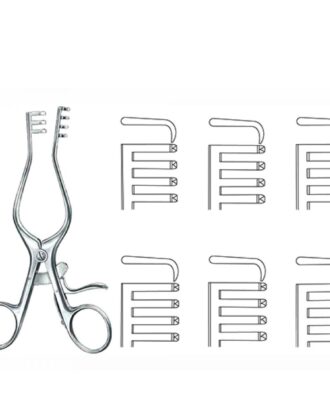
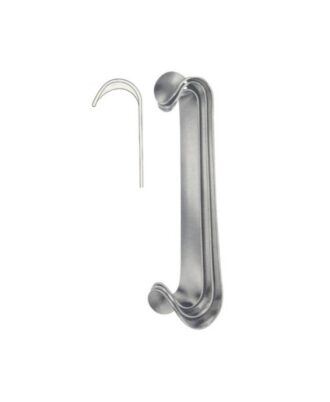
Hand-Held Retractors: These require an assistant or the surgeon to maintain manual tension during the procedure. They typically feature a handle at one end and a specialized blade, hook, or claw at the working end. Common examples include the Minnesota Retractor, widely used in oral surgery to keep cheeks and mucoperiosteal flaps out of the way, and the Senn Retractor, which features a three-pronged claw design for shallow tissue retraction.
-
Self-Retaining Retractors: These instruments feature a locking mechanical frame, ratchets, or thumbscrews that hold themselves in place without human assistance once positioned. The Weitlaner Retractor and Gelpi Retractor are classic operating room staples, utilizing a spring-like mechanism to maintain constant, hands-free exposure of deep surgical fields.
Clinical Design Variations
The working tips of retractors vary dramatically depending on the anatomical area they serve. They can be blunt for pulling back sensitive structures like blood vessels or nerves, or sharp (pronged) for grabbing onto dense, fibrous tissues like muscle or skin where slippage must be prevented.
Material and Manufacturing Standards
Because they are subjected to prolonged tension and frequent contact with bodily fluids, premium retractors—such as those manufactured by B. Ali Impex under the “Doctor Nice” brand—are forged from surgical-grade stainless steel. This ensures maximum tensile strength to prevent bending under pressure, high corrosion resistance, and the durability required to withstand repeated autoclave sterilization cycles, making them a lasting, reliable asset for any medical tray.
Related products