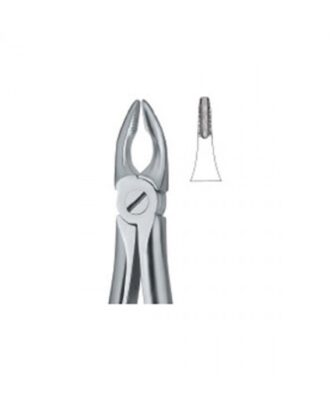
Lower roots refer to the root structures of teeth located in the lower jaw, also known as the mandible. These roots play a crucial role in anchoring the teeth firmly into the jawbone, allowing them to withstand the forces of biting and chewing. In dental anatomy, each tooth consists of two main parts: the crown, which is visible above the gum line, and the root, which lies below the gum and is embedded in the bone. The lower roots are essential for maintaining the stability, alignment, and overall function of the teeth.
Different types of teeth in the lower jaw have different root structures. For example, lower incisors typically have a single, narrow root that is designed for cutting food. Lower canines usually have a longer and stronger single root that provides greater stability for tearing food. Bicuspids, or premolars, in the lower jaw often have one or sometimes two roots, which help them crush and grind food efficiently. Lower molars, on the other hand, usually have two roots that are broader and more robust, enabling them to handle heavy chewing forces.
The structure of a tooth root includes several important components. The outer layer is called cementum, which covers and protects the root. Beneath it lies dentin, a hard tissue that forms the bulk of the tooth. At the center is the pulp, which contains nerves and blood vessels that supply nutrients and sensation to the tooth. The roots are surrounded by the periodontal ligament, a group of fibers that connect the tooth to the surrounding bone and act as a shock absorber during chewing.
Maintaining healthy lower roots is essential for good oral health. Poor hygiene, gum disease, or untreated cavities can lead to infections that may damage the roots and surrounding tissues. This can result in pain, tooth loosening, or even tooth loss. Regular brushing, flossing, and dental check-ups help keep the roots and supporting structures healthy.
In conclusion, lower roots are a vital part of dental anatomy, providing support, strength, and stability to teeth in the lower jaw. Their proper care ensures effective chewing, long-term oral health, and overall well-being.