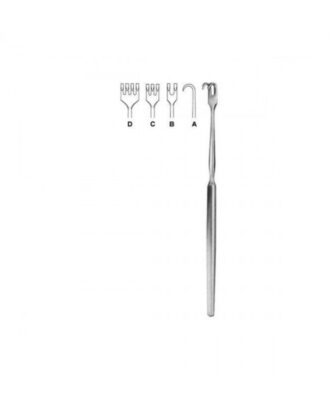
Langenbeck retractor
The Langenbeck Retractor is a widely used surgical instrument designed for retracting soft tissues and wound edges during various surgical procedures. It is commonly utilized in general surgery, orthopedic surgery, and other medical specialties where clear exposure of the surgical field is essential. By gently holding back tissues, the Langenbeck Retractor allows surgeons to work with greater accuracy and visibility during an operation.
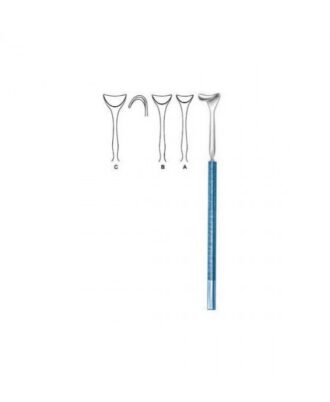
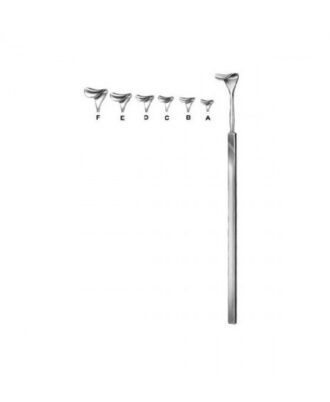
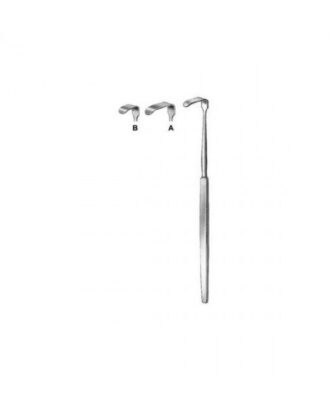
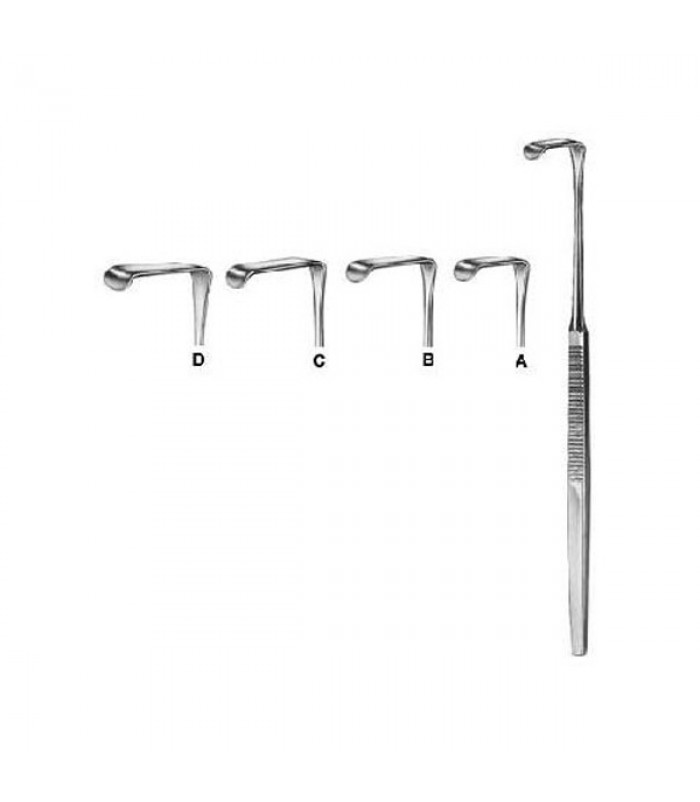
This instrument features a simple yet effective design consisting of a flat handle and a right-angled blade at one end. The blade is typically broad and slightly curved, allowing it to securely hold tissues away from the operative area without causing excessive pressure or trauma. The angled shape of the blade helps provide better access and improved visualization of deeper structures within the surgical site.
The Langenbeck Retractor is usually manufactured from high-quality surgical-grade stainless steel, ensuring excellent durability and resistance to corrosion. Its polished surface allows for easy cleaning and sterilization, making it suitable for repeated use in sterile surgical environments such as hospitals and operating rooms. The strong and sturdy construction of the instrument ensures reliable performance during demanding procedures.
Surgeons often use the Langenbeck Retractor in procedures that require the retraction of muscles, skin, or other soft tissues. It is particularly helpful in procedures involving the abdomen, neck, and extremities. Because of its ergonomic handle and balanced design, the instrument provides a comfortable grip and allows precise control while maintaining stable tissue retraction.
One of the key advantages of the Langenbeck Retractor is its versatility. It is available in different sizes to accommodate various surgical needs and patient anatomies. This adaptability makes it a standard instrument found in many surgical instrument sets.
Overall, the Langenbeck Retractor is a reliable and essential surgical tool that supports surgeons in maintaining a clear and accessible operative field, ultimately contributing to safer and more efficient surgical procedures.
Related products