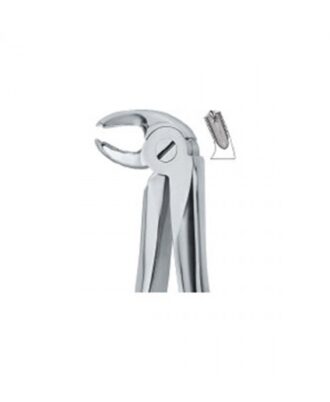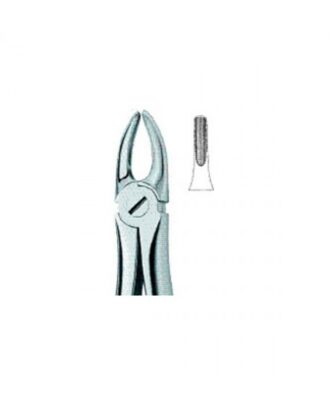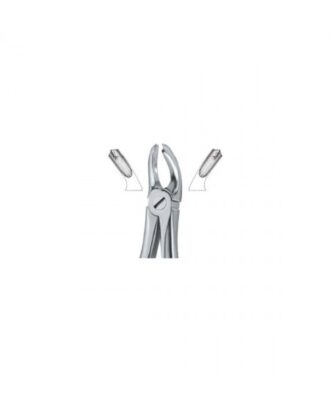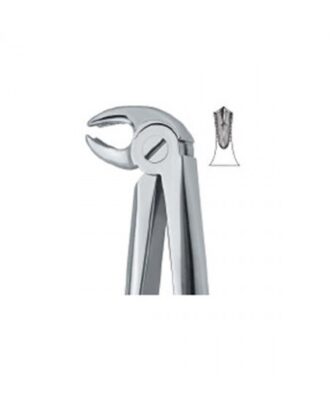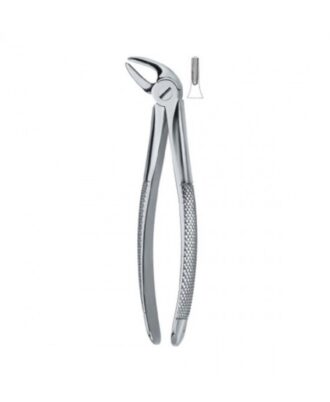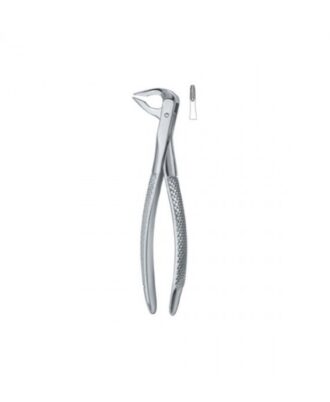
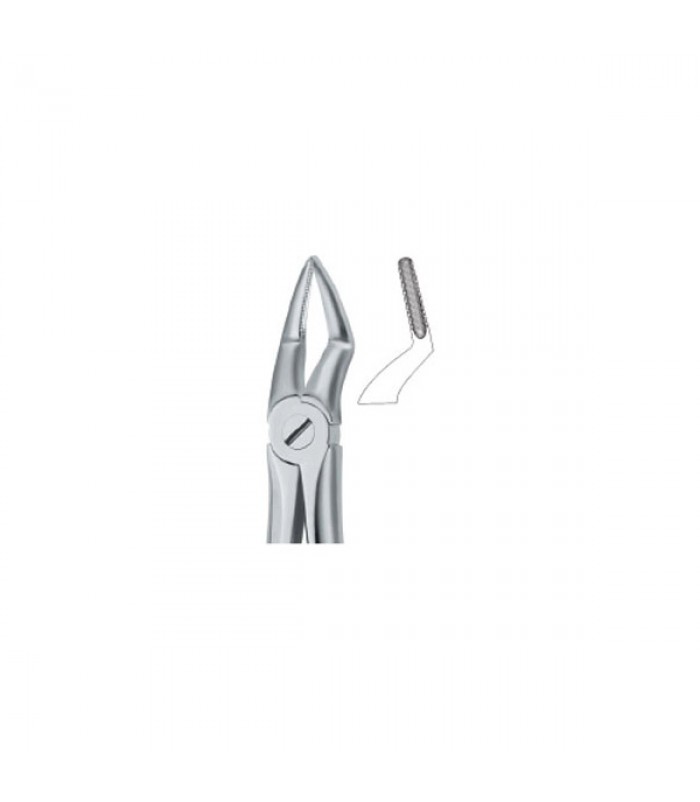
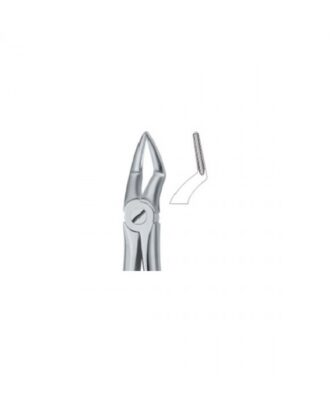
Extracting Forceps
₨ 12
Tooth extracting forceps are specialized dental instruments used by dentists and oral surgeons for the removal of teeth with precision and control. These tools are an essential part of any dental practice, playing a crucial role in both simple extractions and more complex surgical procedures. Designed to securely grasp the tooth and facilitate its removal from the socket, extracting forceps help ensure that the process is as safe, efficient, and comfortable as possible for the patient.
The design of tooth extracting forceps is carefully engineered to match the anatomy of different teeth. Each type of forceps is shaped to fit specific areas of the mouth, such as upper or lower teeth, incisors, premolars, or molars. The beaks of the forceps are contoured to provide a firm grip on the tooth, while the handles are designed for ease of use and maximum leverage. This allows dental professionals to apply controlled force, reducing the risk of breaking the tooth or causing damage to surrounding tissues.
High-quality tooth extracting forceps are typically made from medical-grade stainless steel, ensuring strength, durability, and resistance to corrosion. This material also allows the instruments to be sterilized repeatedly without compromising their performance, making them suitable for long-term use in clinical environments. Many forceps also feature ergonomic handles that improve comfort and reduce hand fatigue during extended procedures.
In addition to their structural advantages, tooth extracting forceps contribute significantly to patient care. Their precision helps minimize trauma to the gums and bone, which can lead to faster healing and less post-operative discomfort. Dentists rely on these instruments to perform extractions with confidence, ensuring a high level of safety and effectiveness.
Overall, tooth extracting forceps are indispensable tools in modern dentistry. Their specialized design, durability, and ease of use make them vital for achieving successful outcomes in tooth removal procedures while maintaining patient comfort and clinical efficiency.
Related products