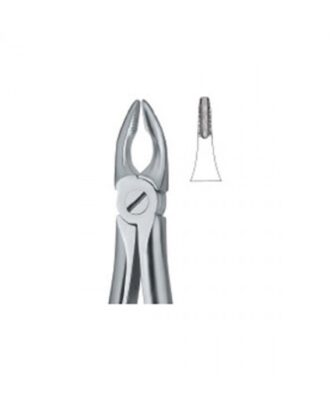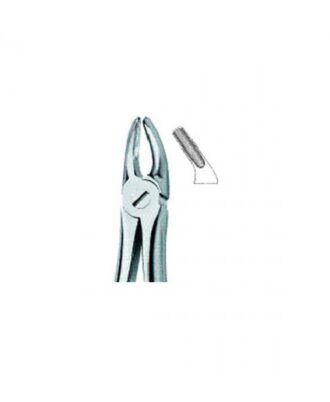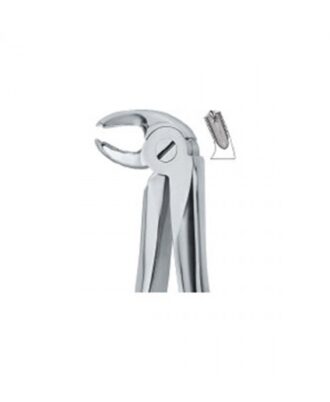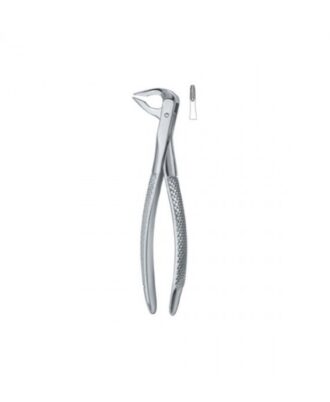
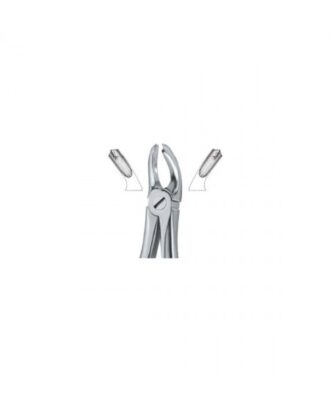
Dental forceps are essential instruments in modern dentistry, primarily used for the extraction of teeth. They are designed to provide dentists with precision, control, and efficiency, making tooth removal safer and more comfortable for patients. Dental forceps are a cornerstone of oral surgery and general dental care, particularly when addressing decayed, damaged, or overcrowded teeth, or when preparing the mouth for orthodontic treatment.
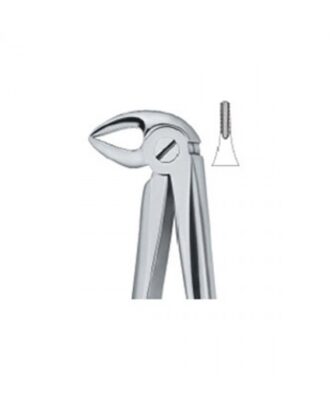
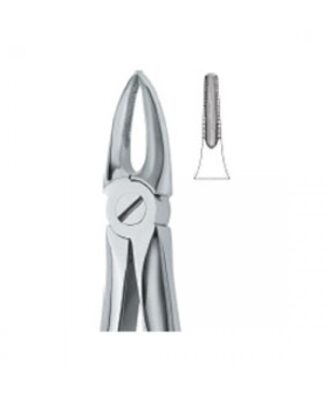
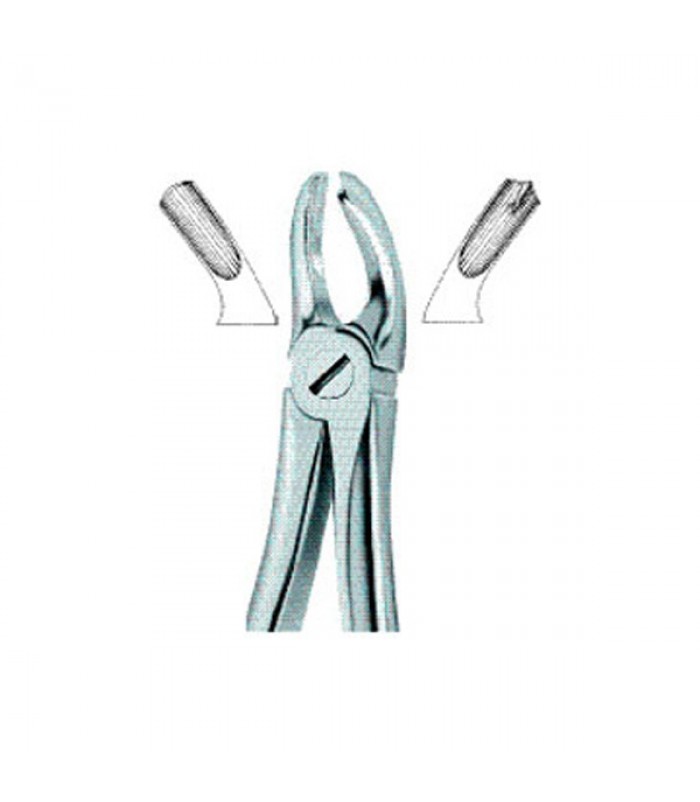
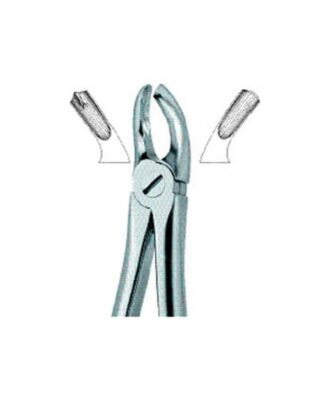
The structure of dental forceps is carefully designed to optimize performance. The tool consists of three main parts: the beaks, the hinge, and the handles. The beaks are the working ends that grip the tooth securely, usually at the cervical area near the gum line. Their shape and curvature are adapted to specific tooth types and positions in the mouth, such as anterior, premolar, or molar teeth, as well as upper (maxillary) and lower (mandibular) teeth. A proper fit is critical to avoid slippage and minimize the risk of fracturing the tooth or damaging surrounding tissues.
The hinge connects the beaks to the handles and allows smooth opening and closing movements. The handles themselves are ergonomically designed for comfort and leverage, enabling the dentist to apply controlled force with precision. Proper hand positioning and grip are essential to ensure that the extraction is performed efficiently while reducing fatigue during prolonged procedures.
During the extraction process, dental forceps allow the dentist to gently luxate or loosen the tooth by applying controlled rocking or rotational movements. This helps detach the tooth from the periodontal ligament and surrounding bone before it is carefully removed. The precision and control offered by dental forceps are vital for minimizing trauma, reducing patient discomfort, and promoting faster healing.
Dental forceps are usually made of high-quality stainless steel, which provides durability, corrosion resistance, and ease of sterilization. Maintaining strict hygiene standards is critical to prevent infection and ensure patient safety.
In summary, dental forceps are indispensable tools in dentistry. Their specialized design allows for safe, controlled, and efficient tooth extractions, making them crucial for both routine dental care and more complex oral surgical procedures. Proper use of dental forceps ensures better patient outcomes, preserves oral tissues, and supports overall oral health.