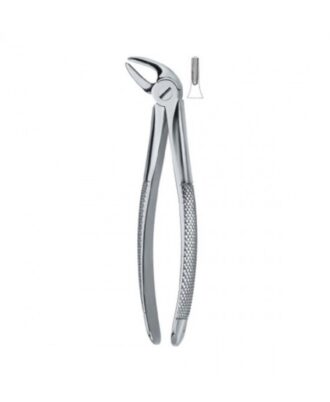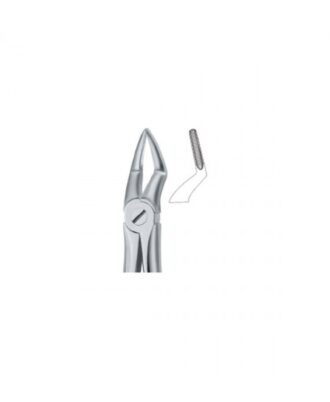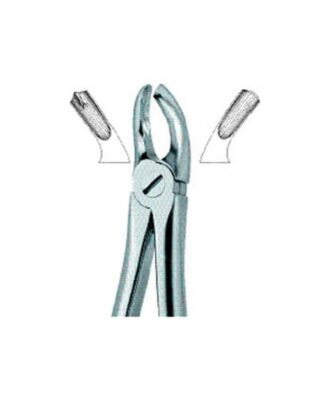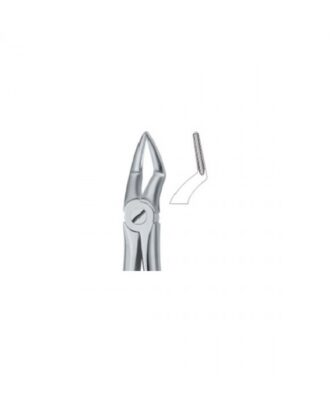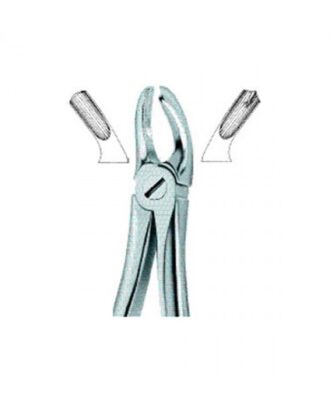
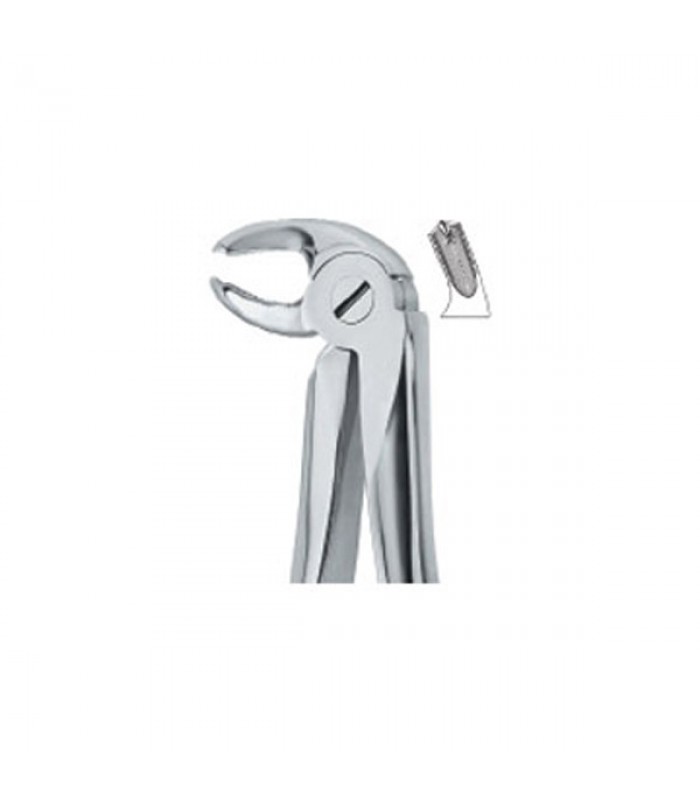
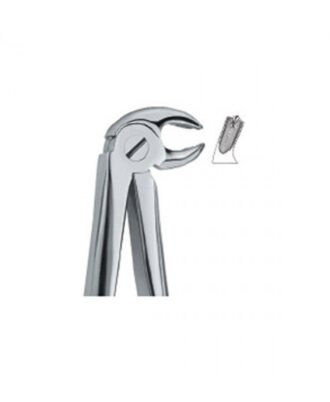
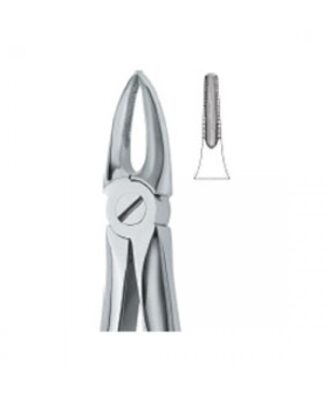
The most distinctive feature of anterior extraction forceps is their beaks, which are narrow and carefully contoured to fit the shape of anterior teeth. This design allows the forceps to grip the tooth firmly at the cervical area (near the gum line) without slipping. A secure grip is essential to apply controlled force and reduce the risk of breaking the tooth during extraction.
Anterior forceps also have ergonomically designed handles that provide a comfortable grip for the dentist. This ensures better control and reduces hand fatigue during procedures. The handles are typically aligned in a way that allows smooth application of pressure, enabling the dentist to perform gentle rocking or rotational movements. These movements help loosen the tooth from the periodontal ligament before it is removed from the socket.
Different types of anterior forceps are available for use in the upper (maxillary) and lower (mandibular) jaws. Maxillary anterior forceps usually have a straight design, while mandibular anterior forceps may have a slight curvature to adapt to the lower jaw’s shape and accessibility.
Proper sterilization and maintenance of these instruments are crucial to ensure patient safety and prevent infection. High-quality materials such as stainless steel are commonly used to provide durability, corrosion resistance, and ease of cleaning.
Overall, anterior extraction forceps are essential tools in dental practice, enabling efficient and safe removal of front teeth. Their precise design helps minimize trauma to surrounding tissues, promotes faster healing, and ensures better outcomes for patients undergoing tooth extraction procedures.